
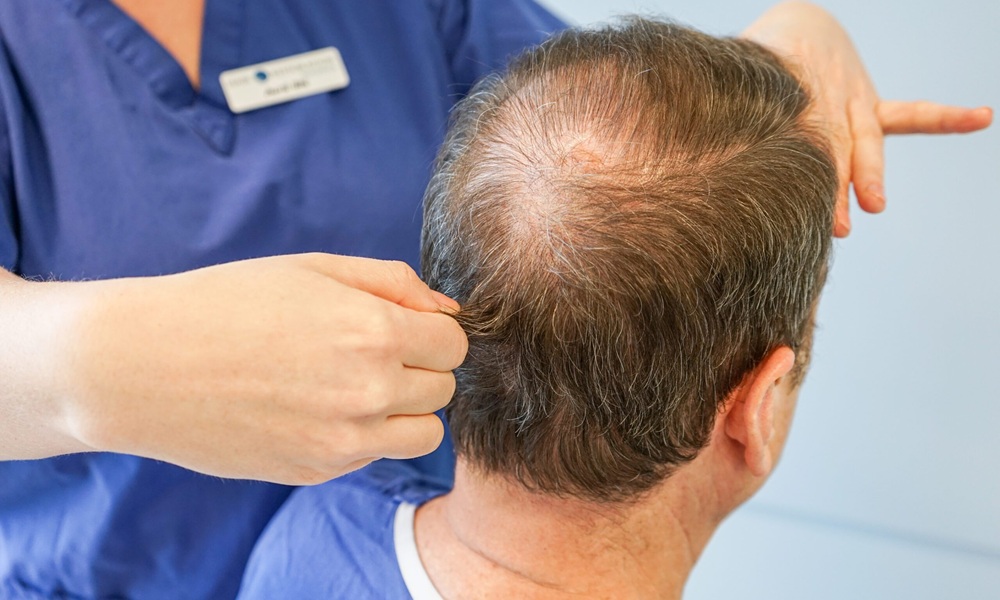
Hair transplantation is often seen as a permanent solution for hair loss, so when results fall short of expectations, it can be frustrating and confusing. Many patients ask, “Why didn’t my hair transplant work?” The truth is that a hair transplant can fail or deliver poor results for several medical, technical, and lifestyle-related reasons. Understanding these factors is the first step toward achieving better outcomes in the future.
Below is a clear, experience-based explanation to help you understand what may have gone wrong and how to move forward with confidence.
1. Unrealistic Expectations from the Start
One of the most common reasons people feel their hair transplant didn’t work is unrealistic expectations. A transplant does not create new hair; it redistributes existing healthy follicles from donor areas. If expectations about density, hairline shape, or speed of growth were not medically realistic, disappointment can follow—even if the procedure was technically successful.
A trustworthy clinic should always provide an honest consultation, explaining what is achievable based on donor hair quality, age, and pattern of hair loss.
2. Poor Candidate Selection
Not everyone is an ideal candidate for hair transplantation. Conditions such as active hair loss, autoimmune scalp disorders, or insufficient donor hair can severely impact results. If hair loss is still progressing and not stabilized with medical treatment, transplanted hair may survive while surrounding native hair continues to thin, creating an uneven appearance.
Proper diagnosis by a qualified medical professional is essential before surgery.
3. Surgeon Experience and Technique
Hair transplantation is a medical procedure that requires skill, precision, and experience. Poor graft handling, incorrect depth placement, or excessive trauma to follicles during extraction can lead to low graft survival rates.
Clinics that rely heavily on untrained technicians instead of doctor-led procedures often see higher failure rates. Choosing an experienced, certified surgeon is a critical factor in long-term success, especially when patients search for the best hair transplant in islamabad and want results that look natural and last.
4. Post-Operative Care Not Followed Properly
Aftercare plays a major role in transplant success. Touching grafts too early, excessive sweating, smoking, or skipping prescribed medications can reduce follicle survival. Many patients underestimate how fragile newly implanted grafts are during the first two weeks.
Clear post-operative instructions and patient compliance are equally important as the surgery itself.
5. Shock Loss and Normal Growth Timeline
Sometimes, patients believe the transplant failed when it is actually following a normal growth cycle. Transplanted hair usually sheds within the first 2–6 weeks (a process called shock loss), then regrows after 3–4 months. Final results can take 9–12 months.
A lack of proper counseling about this timeline can lead to unnecessary worry.
6. Underlying Medical or Lifestyle Factors
Health conditions such as hormonal imbalances, nutritional deficiencies, chronic stress, or smoking can negatively affect hair growth. Even perfectly transplanted follicles need a healthy environment to thrive.
A credible clinic evaluates overall health and may recommend blood tests, lifestyle changes, or supportive treatments like PRP therapy to improve outcomes
7. Poor Clinic Standards and Hygiene
Low-cost procedures performed in non-medical environments increase the risk of infection, scarring, and graft failure. Hygiene, sterilization, and adherence to international medical standards are non-negotiable elements of a successful hair transplant.
Always verify clinic credentials, doctor qualifications, and real patient reviews before proceeding.
What Should You Do If Your Hair Transplant Didn’t Work?
If you’re unhappy with your results, don’t panic. A professional evaluation can determine whether:
- You need more time for growth
- Medical treatment can improve results
- A corrective or revision transplant is possible
At The Aesthetic Line, patient education, ethical consultations, and evidence-based treatments are at the core of our approach. Our focus is not just performing procedures, but ensuring long-term, natural-looking results backed by medical expertise and patient trust.
Final Thoughts
A hair transplant “failure” is rarely due to a single cause. It’s often a combination of planning, technique, aftercare, and individual biology. By choosing a reputable clinic, understanding the process, and following professional guidance, many patients can achieve satisfying results—even after an initial disappointment.
If you’re considering a consultation or a corrective procedure, always seek expert medical advice and transparent communication. Your hair restoration journey deserves nothing less.